
Thrive After 45
Most Leaders Hit a Ceiling after 45. It's Not What You Think.
The neuroscience is clear. Your brain is changing.
After 45, some abilities decline—working memory, processing speed (and maybe our knees, but let's save that for later).
Meanwhile, if you make smart investments, other cognitive abilities can peak after 45: transformative thinking, strategic attention, managing complexity.
The question isn't whether decline is inevitable.
It's whether you build the cognitive capacity to access these emerging midlife strengths—or hit a ceiling by relying on old patterns that were honed years ago to meet different needs.
Here's the challenge: your overloaded executive brain defaults to outdated patterns precisely when today’s demands are greatest. That's natural, but insufficient.
The solution isn't more experience.
It's engineering the cognitive capacity that makes executive judgment—and performance—sustainable when demands multiply.








Reality Check
Experience Can’t Save You. Your Brain Has Limits.
Judgment is impaired when we exceed the brain’s cognitive capacity.
After 45, an executive’s competitive advantage is cognitive capacity and advanced business-critical reasoning fueled by experience—if you build it.
Today's operating environment presents ever-greater demands that can easily exceed the brain's natural processing capacity.
When your prefrontal cortex manages too many variables simultaneously, even experienced leaders revert to old, familiar patterns designed for a different era. Falling back into well-honed approaches is how the executive brain saves energy and protects itself from overload.
You interpret this sensation as stress or distraction—you might call it "being stretched thin.” It's actually your brain operating beyond its threshold.
Beyond that cognitive limit, executives are much less likely to develop or leverage midlife's potential cognitive strengths—transformative thinking, strategic attention, innovative thinking, and managing complexity.
Capacity exhausted, performance suffers.
Here's the risk: stakeholders often spot the performance issue before you do.
"As demands increase, the quality of your judgment determines your career trajectory.”


Our Edge
Neuroscience explains how cognitive capacity determines judgment — and how to build it.
Understanding How Judgment Holds or Breaks When Demands Exceed Capacity
Brain Default Response
Your prefrontal cortex processes 4-7 variables simultaneously. Beyond that threshold, the executive brain defaults to familiar patterns—even when the situation demands fresh thinking.

Misreading Capacity
In real time, most leaders don’t realise judgment is constrained by capacity.
They misread cognitive limits as stress, distraction, or bad days.

Recalibration
After 45, certain cognitive abilities can peak—transformative thinking, strategic attention, abstract reasoning. Here’s the key: you must deliberately build these capabilities in the brain.

This isn't a brain training game. It isn't life coaching. It's pre-failure cognitive capacity engineering—intervening before judgment degrades, not after performance suffers.
Judgment doesn't fail from lack of experience. It degrades when sustained cognitive demands exceed available capacity.
Our Design
The Executive Brain Playbook™
We build the cognitive capacity that powers judgment and performance.
Our work focuses on the brain systems that determine whether judgment—strategic, innovative, transformational—holds or collapses as business demands increase.
Using applied neuroscience and behavioural design, we help leaders expand the cognitive ceiling that high-stakes performance depends on.
This is performance engineering, not coaching or motivation. The result is increased cognitive capacity when it matters most. We deliver:
High-stakes judgment immersions
Individual advisory for leaders Masterclasses and licensing agreements (train the trainer)Interactive virtual executive keynote sessionsSupported by Path OS™ — because even after our immersions, your brain will try to revert. Path OS™ is the reinforcement layer that keeps new patterns accessible precisely when demands exceed the threshold and old behaviours want to return.

Proven Where Decisions Matter
Trusted by Leaders When Judgment Matters Most.
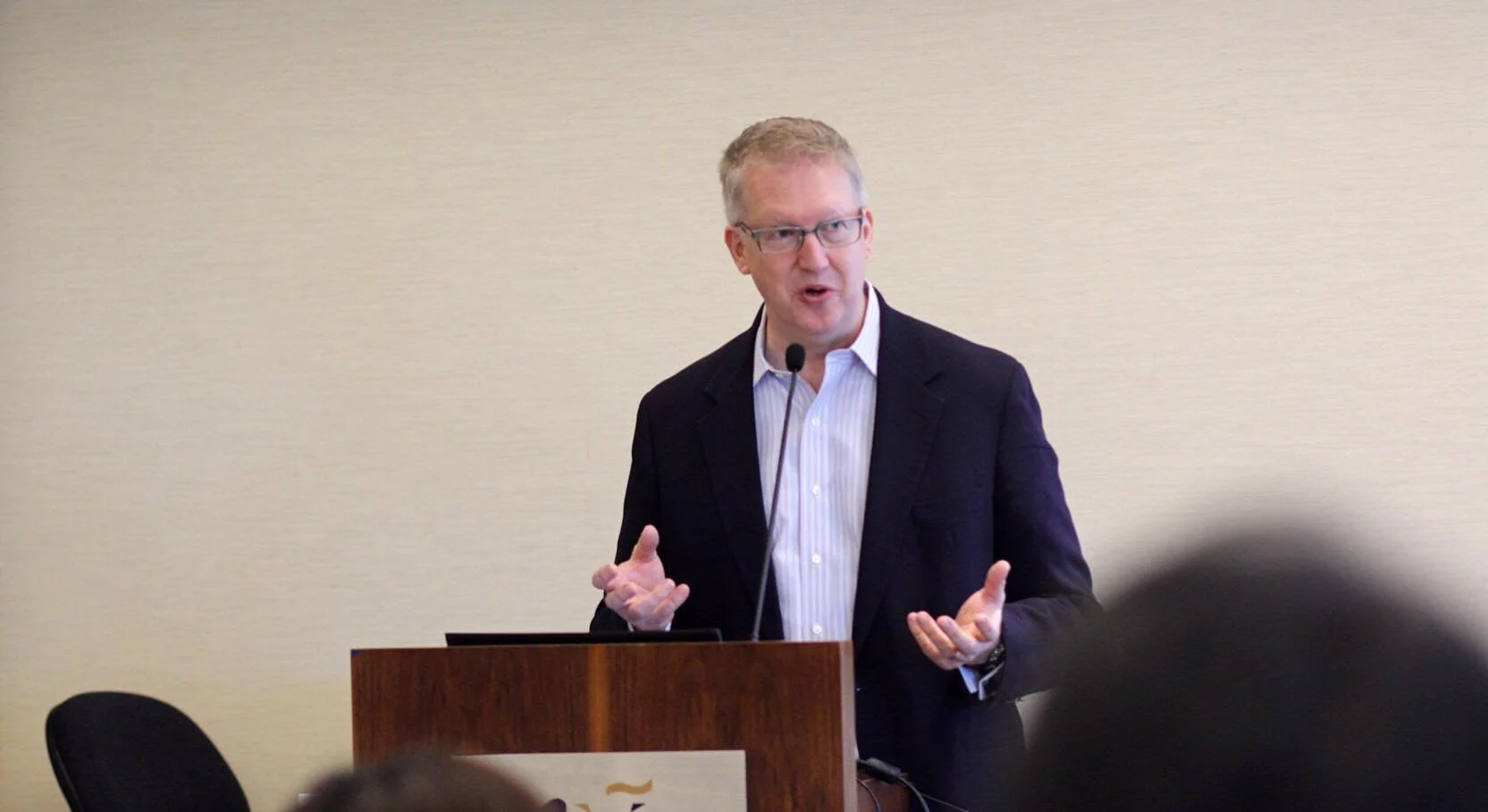
Michael Netzley
Our Founder, Dr. Michael Netzley, is Affiliated Faculty and an Executive Coach at IMD Business School. His work focuses on the cognitive factors that shape judgment and performance.
Drawing on neuroscience and behavioural design, he helps ambitious professionals build the capacity required to maintain judgment as speed, complexity, and demands increase.
Clients include BNP Paribas, UBS, UOB, Bank Mandiri, PWC, IBM, Unilever, Merck, GSK, IHG, Minor Hotels, SP Group, Singapore Airlines, and Changi Airport Group.
Michael’s work has been featured in the New York Times, I by IMD magazine, Dialogue by Duke CE, MIT’s Technology Review and Channel News Asia.
• Built through work with leaders making consequential decisions
• Grounded in neuroscience — not comforting narratives
• Published on judgment, brain performance & midlife leadership
Better Judgment Isn't a Trait.
It's a Capability You Can Build.
Cognitive capacity isn’t infinite. But it can be deliberately built and protected at midlife and beyond.
Start with a conversation. If judgment matters in your role, explore how The Executive Brain Playbook™ helps leaders sustain clarity when stakes are highest.